Nutrition during stressful times
- nc2211
- Oct 14, 2020
- 6 min read
As the situation with the Coronavirus becomes increasingly challenging and confusing, keeping our normal routines get harder and harder. Those who are forced to work from home struggle to get used to their safe spaces becoming their all-day environment. If you’re following some sort of a fitness or nutrition regime, it feels impossible to keep the same discipline whilst being consumed by the worries of the day. it is also an opportunity for those thoughts on comfort and emotional eating to foster and linger, which leads to an unfortunate binge and regrets.
One of the things that immediately jump to my eyes when I look at online experiences of those having to self-isolate is the poor selection of food on display. Snacks, sugary drinks, chocolate bars and biscuits seem to be the way most people deal with being confined to their homes. Not only will their metabolism suffer due to those choices, and their nutrition will lack essential nutrients, the increased glucose and trans fats might weaken their immune system and create a significant weight gain path. Given the minimal physical activity those people isolated are likely to engage in, a fat mass increase of 2kg in 2 weeks is very likely. When we hardly expend any energy, either targeted during workout or exercise or non-targeted by just moving around, it is essential we manage our food intake in order not to overshoot an energy balance.
So if you’re heading into isolation, either by choice or by force, here are some general guidelines that will not only ensure your nutritional requirements are healthily met, you might even shed a few pounds along the way! These are simple, clear and include ingredients you can easily find in any supermarket. Should you need specific advice or want a personal plan tailored to you needs and goals, please contact me directly.
General guidelines
It’s important that the items and ingredients you’re stocking up on include sufficient calories, vitamins, minerals and essential proteins. These items should also last a few weeks, so your go-to tomatoes, spinach, or strawberries will not work.
Long-life items such as frozen meat, canned fish and whole grains include those essential proteins and will last a while without losing amino-acid chains. Some dairy products with a long expiry date also contain casein which is a long-lasting protein source. It will keep you and your family fuller for longer.
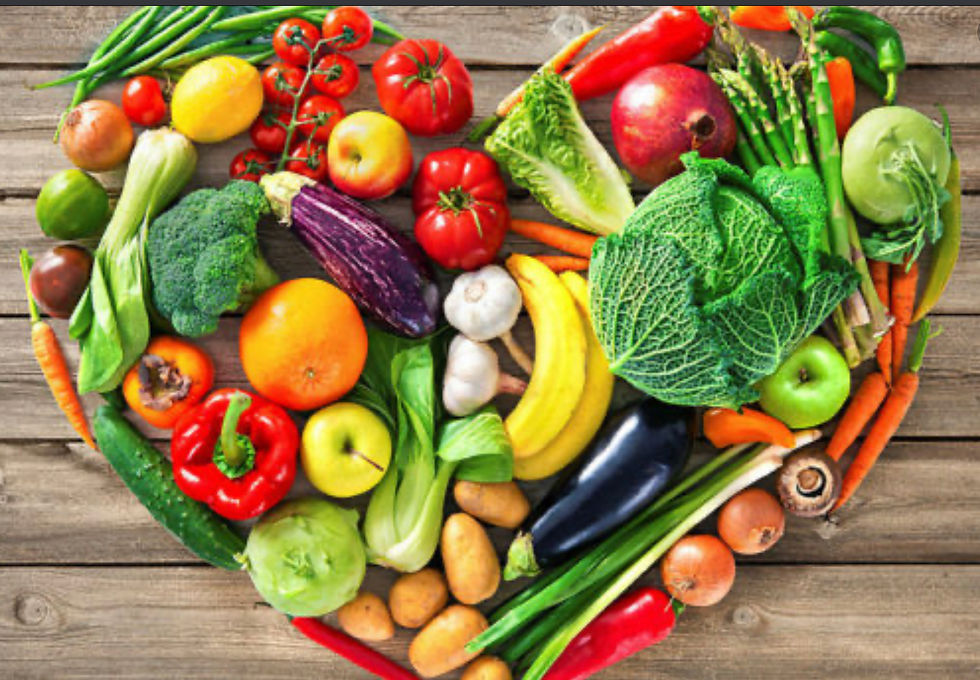
Most vegetables also include important vitamins. The broader your colour selection is, the more complete your vitamins consumption be. Ensure you mix green, orange and yellow veg to ensure variation and longevity. As an example only half of a red bell pepper will provide a healthy dose of vitamin C, and a single carrot contain a day’s worth of vitamin A. Add fibrous veg such as broccoli and cauliflower, asparagus and green beans, which can all be kept frozen, and you’ve got a complete mix of vitamins, minerals and essential fibre, ready to be boiled, fried or baked.
Various fruit can also be consumed regularly, however due to their sugary nature portion control should be exercised, especially early in the morning and late at night. Pears, berries, citrus fruit, apples and kiwis are great sources of essential vitamins and can be mixed into your menu without extra effort. All of those can be sourced frozen and will last a long while in the freezer.
So what should your shopping list include:-
Frozen veg - bags of mixed veg such as broccoli, cauliflower, green beans, carrots
Fresh veg - Long-lasting and nutritious vegetable like white/red cabbage, red bell pepper, carrot and sweet potato. A mixture of these as a salad with some olive oil and your choice of protein, will make a fantastic lunch!
Fruits – a mixture of apples, oranges, pears, kiwi will ensure you have enough energy to go through your day without the burden of processed sugar. Frozen berries will add flavour to any yogurt, oatmeal or chia pudding for a healthy and tasty breakfast! Dates are also a good alternative to sugary snacks and drinks, will last long and provide texture, sweetness and fast-absorbing energy.
Legumes and Grains – when it comes to carbohydrates, it is always best to consume whole foods and mix Chickpeas, Lentils, Quinoa, Couscous, Brown rice, as side alternatives on your lunch and dinner plates. A rule of thumb for a reasonable amount is a handful of dry ingredient. It won’t break the calorie bank, and provide a good amount of healthy energy. One of the best grains to incorporate in such a stressful period is oats. Extremely versatile, can be consumed hot or cold, great as breakfast, and increase the release of serotonin which is a natural mood enhancer.
Bread - it’s best to avoid filling your pantry with processed floury products – breads, bagels, wraps. You can keep a few wraps in the freezer, but in general try and avoid those. A better alternative is the humble cracker. Will last forever, can be found with high fibre content and is great with a small side of nut butter for that tea time snack. Aim for the multigrain ones.
Cereal – a breakfast staple for most, cereal kickstart our normal daily grind. But this isn’t normal time. We won’t be out and about for the entire day. We therefore need to tweak our breakfast to suit, and choosing the right cereal - if you cannot do without it- is important. Bran flakes are well known for their nutritional value and will provide a huge dose of fibre with half the calories for a longer fullness feeling through your morning.
Dairy products – for a long-lasting dairy choice the Cheddar cheese is a distinct favourite. Some Greek yogurts will also last for 2 weeks and provide casein protein at either breakfast or late dinner times. Regular milk won’t last but alternatives such as almond or soy might provide an adequate replacement.
Proteins – the essential building blocks of our bodies, protein intake is an absolute must. Chicken, meat and fish products provide the most protein value, and can be chosen based on your preference. Examples include lean chicken or turkey breasts, coupled with omega 3/6 rich salmon. Canned fish such as tuna is also a good option to keep in the pantry and consumed regularly. Eggs are also rich in protein and healthy fats and should also be incorporated into your daily menu. For those times where cooking is impossible or you just cannot be bothered, keep a tub of your favourite protein powder and just mix it with water and berries for a satisfying shake, or snack on a good quality protein bar.
Healthy fats – fat intake is also essential for various bodily functions and hormonal processes. at times of stress our mind is working overtime and, its only source of energy comes from fatty acids. Those would mainly be found in long-lasting items such as nuts, seeds, almonds, oils (coconut, avocado and olive are mild-flavoured and nutritious choices) and nut butters. As it is quite easy to indulge and over-consume nuts in particular, I’d suggest you create a few small bags of containers with a mix of nuts and seeds. A small side of almond butter with an apple is a great snack idea as well. Olives can also be added to a healthy salad for a balanced lunch.
Snacks – for those moments when you need something filling and comforting, keeping some healthier snack options is critical for your mental sanity. Protein-rich bars, rice cakes, nuts and seeds, and popcorn, can all be consumed in moderation throughout the day. Dried fruit and gummy bears can provide that energy boost when you need it the most, however minimal quantity is required due to their sugar content.
Drinks – water, water and some more water. Make sure you’ve got a full bottle of glass of water next to you at all times. Add lemon or lime for flavour and taste. Combine herbal teas when possible. Consume coffee in moderation. Skip the sparkling choices and limit alcohol.
This list is by no means exhaustive. It provides general guidance which will appeal for the majority of people and families. It won’t break the bank, includes simple and accessible ingredients, and is varied and mixed to keep things fresh and tasteful. Please contact me if you’ve got specific dietary requirements or questions, and should you want a tailored plan and menu.
Meal plan
Here is a sample menu which can be used by anyone who follows these guidelines. It is simple, tasty, can be made for yourself or your family, and will make sure you enjoy quality meals without sacrificing your health and goals. Again, it’s for general consumption for most but not for everyone. I will share some recipes shortly.
Breakfast
2 tsp oats
150g Greek yogurt or 200g milk
50g frozen berries
1 tbsp honey
1 cup green tea or black coffee
Snack
Apple or pear with a few nuts or a small side (30-40g) of nut butter
Lunch
Cabbage and carrot salad
150g sweet potato
200g chicken breast
Kiwi
Tea
Protein bar
150g Greek yogurt with few nuts and honey
Dinner
150g steamed broccoli
200g salmon fillet
Late snack
1/4 cup popcorn
Porridge - 2tsp oats with almond milk
Stay safe and healthy!


Comments